
Preventing Valve Flange Failures in Field Operations

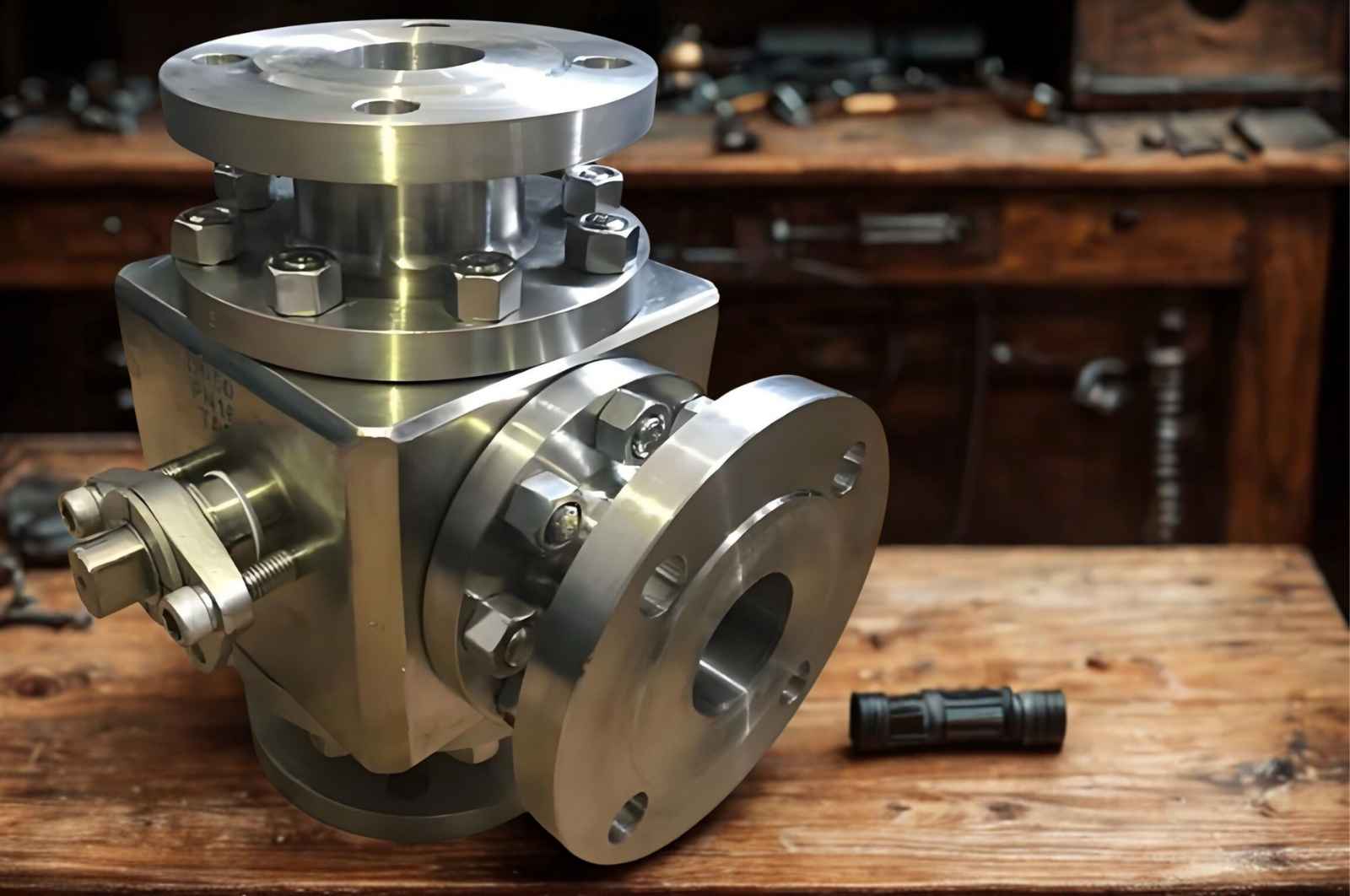
Valve flanges commonly encounter four critical issues during return operations: leakage, corrosion, installation misalignment, and harsh environmental factors. Leakage typically arises from gasket degradation, bolt loosening, or flange distortion; corrosion stems from hostile media or electrochemical reactions; improper installation creates stress concentrations; while extreme temperatures, pressure surges, and spatial limitations compound maintenance challenges.

Effective Prevention Strategies:

Precise Material Selection: Match flange, gasket, and bolt materials to operating conditions, prioritizing corrosion and fatigue resistance.

Standardized Installation: Execute meticulous flange cleaning, alignment, and torque-sequenced bolt tightening for uniform sealing surface pressure.

Proactive Maintenance: Implement routine inspection protocols using non-destructive testing to identify issues early and replace wear-prone components preemptively.

Environmental Protection: Apply anticorrosive coatings, thermal insulation/heat tracing, and vibration-dampening designs to counter external stressors.

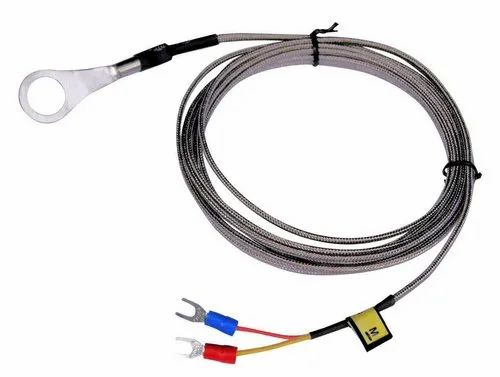
Real-Time Monitoring: Deploy sensors for continuous leak and bolt tension surveillance, integrated with rapid-response emergency protocols.

Operator Training: Conduct comprehensive skills and standards training to ensure consistent operation and maintenance practices.

Core Principle: Full-lifecycle oversight—from design through commissioning, operation, and maintenance—markedly enhances flange reliability and safety in demanding field conditions via rigorous standardization and preemptive interventions.

Related Projects