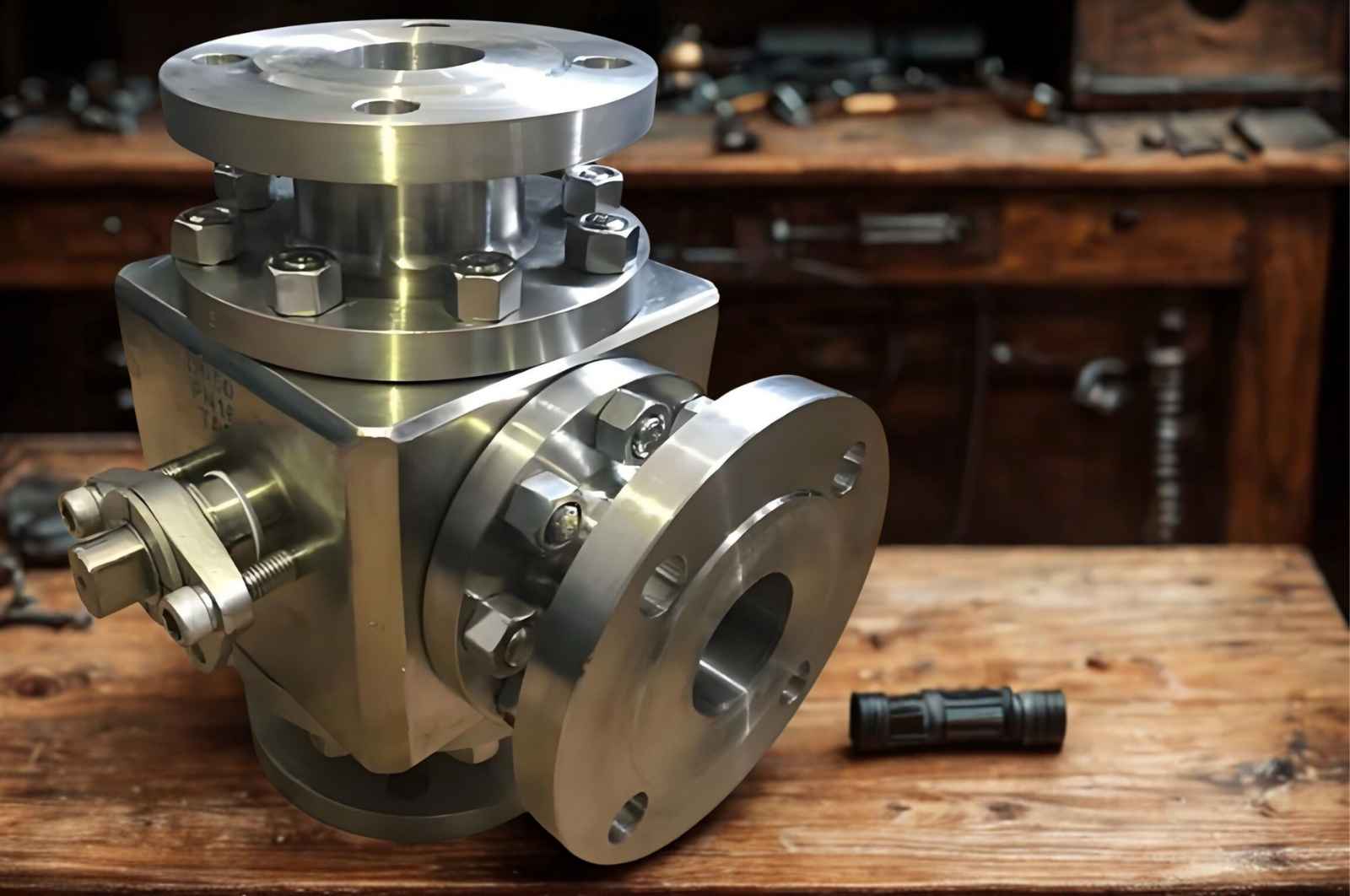

A gas compressor transcends mere machinery—it’s an indispensable catalyst for energy, manufacturing, and transportation sectors. By compressing gas volume to elevate pressure, these devices facilitate seamless transport, processing, and utilization across diverse industries.
Operational Principle
Leveraging thermodynamic gas laws, compressors diminish volume to amplify pressure and temperature. Multi-stage configurations with intercoolers enhance efficiency while extracting moisture and condensates.
Prevalent Variants
Reciprocating (Piston): Optimal for elevated-pressure scenarios such as CNG refueling depots and industrial facilities.
Centrifugal: Ubiquitous in refineries, LNG plants, and expansive gas treatment operations.
Screw: Exemplary for natural gas and biogas processing due to superior efficiency.
Principal Applications
Hydrocarbon extraction, conveyance, and refinement.
Electricity production and petrochemical sectors.
CNG and biogas power infrastructures.
HVAC systems and vehicular climate control.
Strategic Significance
Facilitate extreme-pressure regimes via sequential compression.
Sustain oil-free, pristine operations (ISO Class Zero purity).
Incorporate sophisticated safety protocols for unwavering dependability.
Gas compressors unobtrusively propel the modern era—from sustainable energy paradigms to ubiquitous thermal comfort.